
9 September 2024
Most women in prison are not serving time for violent crimes; instead, they are often driven to incarceration by economic hardship and social inequalities. Many are also victims of domestic violence.
In one tragic case a young women was found 12 hours after giving birth alone in her cell, holding her deceased baby having had to bite through her umbilical cord.
In another case a woman recounted that after she thought she had miscarried her baby, she was left in her cell, lying in a pool of blood, waiting an entire weekend to get her condition checked.
Pregnant women in prison are seven times more likely to suffer a stillbirth, twice as likely to give birth to a premature child that needs special intensive care.
Kezia Coleman, Chair of Kingston and Surbiton Labour, says “There are too many cases where the treatment of pregnant women in prison has been horrific and at best substandard. After 14 years of Tory cuts, the prison system is broken. Many women in prison struggle with complex mental health needs, and the current system offers little hope for reform or recovery. It’s time to rethink how we treat vulnerable women in prison.”
According to the Centre for Crime and Justice Studies, an estimated 600 pregnant women enter prisons in England each year, and around 100 babies are born behind bars. Very few women in prison commit violent offences or pose a serious threat to the public. Nearly half of the women entering the prison system are unconvicted, with 15% being held on remand. Many of these women don’t ultimately receive custodial sentences.
Current guidelines suggest judges “may consider” pregnancy when sentencing, but there is no statutory requirement to do so. Campaigners argue that this leads to judges often disregarding the risks posed to unborn babies in prison.
Kingston and Surbiton Labour have selected the following motion to send to our Annual Conference this September:
End the Imprisonment of Pregnant Women – No Babies Behind Bars
Conference notes that in recent years, three babies died when their mothers gave birth inside prison. In one harrowing case, an 18-year-old went into labour. Despite pressing the cell emergency alarm, no help arrived. She gave birth alone and was found the next morning with her dead baby. These devastating incidents highlight the dangers that women and their babies face when incarcerated.
The imprisonment of women is often underpinned by social and economic inequality, debt, and mental ill-health. Two-thirds of women in prison report being victims of domestic violence.
Conference believes that prison is not a safe place for pregnant women. Conditions are incompatible with their needs and the health of their babies. Women report missing midwife appointments due to staff shortages, poor food quality, and safety risks.
Conference resolves that legal measures should be introduced to ensure that courts can only in exceptional circumstances send pregnant women and new mothers to prison. Alternative sentencing and support measures should be in place.
We note the Sentencing Council’s recent decision to include pregnancy and the postnatal period as mitigating factors to be considered in sentencing. Therefore, conference also resolves that the postnatal period should be extended from 12 months to two years, reflecting the recognition of how critical the early years are for a child’s development.
Eleven countries have already enacted laws prohibiting the imprisonment of pregnant women. There is nothing preventing England and the devolved nations from implementing the same.
Motion Mover: Kezia Coleman
Seconder: Greta Farian
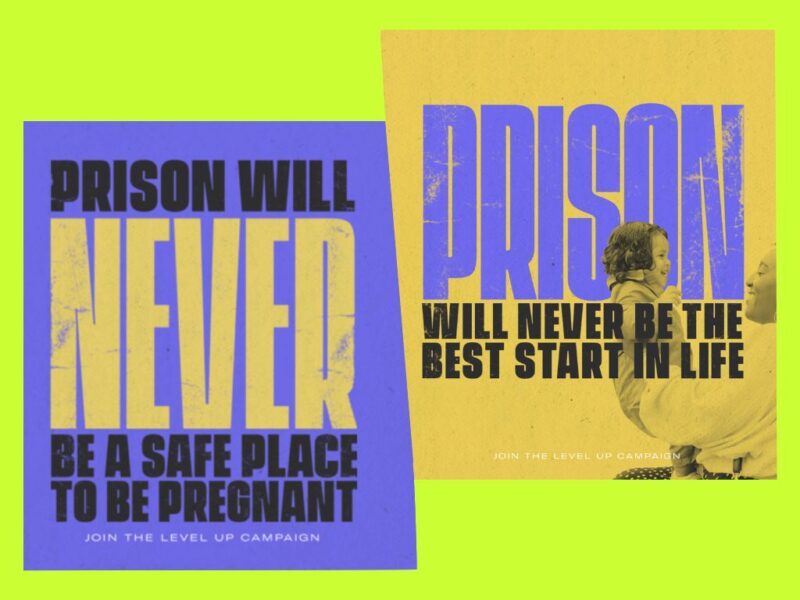
Sign the petition by Level Up here